Powered by Blogger.

Wooden Sailboat Plans for Multi-Purpose Boats

Wooden Sailboat Plans for Multi-Purpose Boats

Wooden Sailboat Plans for Multi-Purpose Boats

The allure of a wooden sailboat is undeniable. There's a certain charm and grace to these vessels, a connection to the past and a deep appreciation for the craftsmanship involved. But what if you want a boat that goes beyond leisurely cruises? What if you need a boat that can handle fishing, camping, or even hauling cargo? That's where multi-purpose wooden sailboat plans come in. These plans offer the beauty and durability of wood construction with the versatility to adapt to various activities.

Benefits of Wooden Multi-Purpose Sailboats

Wooden sailboats, especially those built from plans, offer a unique blend of advantages. Let's delve into why they make excellent multi-purpose vessels:

Customizability

Wooden sailboat plans provide the freedom to customize your boat to your specific needs. You can adjust the length, beam, and even the sail plan to create a vessel that perfectly fits your intended use. This adaptability allows you to tailor the boat to your needs, whether you prioritize speed, cargo capacity, or a comfortable living space.

Durability

Wood, when properly treated and maintained, is remarkably durable. It can withstand the rigors of the marine environment, resisting impacts and weathering better than some modern materials. A well-built wooden sailboat can last for generations, becoming a family heirloom.

Aesthetics

Let's be honest, wooden sailboats are just plain beautiful. The natural grain of the wood, the handcrafted details, and the timeless lines create a sense of elegance and charm. A wooden sailboat will turn heads wherever it goes and evoke a sense of nostalgia for the golden age of sailing.

Types of Wooden Multi-Purpose Sailboat Plans

The world of wooden sailboat plans is incredibly diverse. Here are some popular types that excel as multi-purpose vessels:

Day Sailers

These smaller boats are perfect for weekend outings, fishing trips, or leisurely sailing. They are typically easy to handle and maneuver, making them ideal for beginners and those seeking a relaxed sailing experience.

Cruisers

Cruisers are designed for longer voyages, offering more space for living, sleeping, and storing supplies. These boats are versatile enough for both coastal cruising and venturing further offshore.

Workboats

Workboats are built for durability and functionality. They can be used for hauling cargo, fishing, or even as tenders for larger vessels. Their robust construction and simple design make them reliable workhorses.

Choosing the Right Plans

Selecting the right wooden sailboat plans is crucial. Consider the following factors:

  • Your sailing experience and skill level.
  • Your budget and the cost of materials.
  • The intended use of the boat and the types of waters you plan to sail.
  • The available space for building and launching the boat.

Research different plan providers, compare their designs, and read reviews from other boatbuilders. Consider taking a woodworking class or seeking guidance from experienced boatbuilders to ensure success.

Building Your Wooden Sailboat

Building a wooden sailboat from plans is a rewarding, yet challenging undertaking. It requires time, patience, and a dedication to craftsmanship. Follow these steps for a successful build:

  • Study the plans carefully and understand every detail.
  • Choose quality materials and select the right tools.
  • Work systematically and meticulously, ensuring accuracy in every step.
  • Don't be afraid to seek help from experienced boatbuilders.

Building a wooden sailboat from plans is a journey that culminates in a unique and personal vessel. The satisfaction of seeing your creation come to life and the joy of sailing on the water will make all the effort worthwhile.

Dinghy Plans for Strong, Durable Wooden Boats

Dinghy Plans for Strong, Durable Wooden Boats

Dinghy Plans for Strong, Durable Wooden Boats: Build Your Own Classic!

Have you ever dreamed of owning a beautiful, classic wooden dinghy? The kind that glides effortlessly over the water, leaving a gentle wake in its path? Building your own dinghy from plans is an achievable dream, and a rewarding journey that will give you a truly unique boat.

Think of the satisfaction you'll feel when you launch your hand-built masterpiece onto the water for the first time. And imagine the joy of watching your children (or grandchildren) learn to sail or row in a boat you made yourself. This is more than just a boat; it's a legacy, a tangible piece of your handiwork that will be enjoyed for generations to come.

But where do you start? Choosing the right dinghy plans is crucial. You need plans that are detailed, easy to follow, and designed for strength and durability. After all, this isn't just a weekend project; it's an investment in a boat that should last for decades.

This article will guide you through the process of finding the perfect dinghy plans, explore different types of construction, and help you choose the right materials for a strong and durable boat. Get ready to embark on a journey of boatbuilding, filled with creativity, challenges, and immense satisfaction!

Choosing the Right Dinghy Plans

The world of dinghy plans is vast and varied. You'll find plans for traditional designs like the classic dinghy, rowing boats, and small sailing dinghies. There are also modern designs that are more streamlined and efficient. To make the right choice, consider these factors:

What Will You Use Your Dinghy For?

This is the most important question to ask yourself. Will you be using your dinghy primarily for rowing, sailing, or a combination of both? What size boat do you need to accommodate your family or friends? Do you need a lot of storage space?

What Type of Construction Are You Comfortable With?

Dinghy plans come in various construction styles. Some plans are designed for stitch-and-glue construction, which involves gluing together pre-cut plywood panels. Others call for traditional carvel or lapstrake planking, which requires more experience in woodworking.

Consider your skill level and the tools you have available before making a choice. There are also plans for strip-planked dinghies, which involve using thin strips of wood to build the hull. Strip-planked dinghies are known for their strength and elegant lines.

What Kind of Materials Do You Want to Use?

Wood is the traditional choice for dinghy construction, but other materials like fiberglass or even metal are also used.

Building a Strong and Durable Wooden Dinghy

Once you have the plans and materials, the real fun begins! Building a wooden dinghy requires patience, precision, and a good dose of woodworking skills. But don't worry, even if you're a beginner, you can achieve excellent results with careful planning and guidance.

Focus on Quality Wood

A well-built dinghy deserves the best quality wood. Marine-grade plywood is a popular choice for its strength, stability, and resistance to rot. For traditional planking, consider using cedar, mahogany, or oak. These woods are known for their durability and beauty.

Choose the Right Adhesives and Fasteners

Marine-grade epoxy is a must-have for gluing plywood panels or joining planking. Use high-quality screws or bronze fasteners that are resistant to corrosion and wear.

Pay Attention to Detail

A well-built dinghy is a testament to meticulous attention to detail. Take your time, follow the plans precisely, and don't rush the process. Check your work frequently, and don't be afraid to ask for help if you need it.

Tips for Beginners

Building a wooden dinghy can seem daunting, but don't let that discourage you! Here are some tips to help you succeed:

  • Start Small: If you're new to woodworking, consider building a smaller dinghy or a rowboat first to gain experience.
  • Take a Workshop: Local boatbuilding clubs or community colleges often offer workshops that can give you valuable skills and knowledge.
  • Join a Boatbuilding Forum: Online forums are a great way to connect with other boatbuilders and learn from their experiences.
  • Don't Be Afraid to Ask for Help: Experienced boatbuilders are generally happy to share their knowledge and help you overcome challenges.

Commonly Asked Questions

How long does it take to build a wooden dinghy?

The time it takes to build a dinghy depends on the size and complexity of the design, your skill level, and how much time you can dedicate to the project. A simple rowing dinghy might take a few months, while a more complex sailing dinghy could take a year or more.

How much does it cost to build a wooden dinghy?

The cost of building a dinghy can vary greatly depending on the materials you choose and whether you buy pre-cut parts or cut them yourself. However, building a wooden dinghy is generally more affordable than buying a new boat.

What kind of tools do I need to build a wooden dinghy?

You'll need basic woodworking tools like a saw, drill, sander, and clamps. You might also need specialized tools depending on the construction method. The plans will list the specific tools required.

Where can I find dinghy plans?

There are many resources for finding dinghy plans, including online retailers, boatbuilding magazines, and boatbuilding clubs. You can also search for plans online or look for used plans from other boatbuilders.

Do I need to be a skilled woodworker to build a dinghy?

While woodworking skills are helpful, they're not essential. Many beginner boatbuilders have successfully built dinghies. Choose a plan that matches your skill level and be willing to learn as you go.

Building a wooden dinghy is a journey of discovery and fulfillment. It's a chance to connect with traditional craftmanship, learn new skills, and create a beautiful and functional boat that you can enjoy for years to come. So take the plunge, choose your plans, gather your materials, and start building your dream dinghy today!

Complete DIY Guide: Duck Boat Plans for Novices and Experts

Complete DIY Guide: Duck Boat Plans for Novices and Experts

The Ultimate DIY Guide to Building Your Own Duck Boat: For Beginners and Pros Alike!

Hey there, fellow waterfowl enthusiasts! Are you tired of renting those flimsy, overpriced duck boats? Do you dream of cruising the marshes in a vessel that you built yourself? Well, you've come to the right place! This guide will walk you through the process of building your own duck boat, from choosing the right materials to launching your masterpiece on the water. Whether you're a seasoned woodworker or a complete novice, this guide has something for everyone. So grab your tools, put on your work boots, and let's get started!

Choosing the Right Design

The first step is to decide what kind of duck boat you want to build. There are many different designs out there, each with its own advantages and disadvantages. Here are a few popular options:

The Classic Jon Boat

This simple, flat-bottomed design is known for its stability and ease of construction. Jon boats are great for fishing, hunting, and general utility. However, they can be a bit slow and inefficient for navigating through thick vegetation.

The Modified V-Hull

This design combines the stability of a flat bottom with the speed and maneuverability of a V-hull. Modified V-hulls are a good choice for hunters who want a boat that can handle rough water and cover ground quickly. But, they can be a bit more challenging to build.

The Tunnel Hull

This specialized design is designed for shallow water and thick vegetation. Tunnel hulls have a raised central section that allows them to glide over obstacles. This is a great option for hunting in marshes and backwaters, but they can be more expensive and challenging to build.

Once you've chosen a design, you'll need to find some plans. There are many great online resources, such as duckboatplans.com and duckboatbuilders.com, that offer detailed blueprints. You can also find plans in books or magazines, or even hire a professional designer to create custom plans.

Gathering Materials

With your plans in hand, it's time to gather your materials. The type of wood you choose will depend on your budget and the type of boat you're building. Here are some common options:

Plywood

Plywood is a popular choice for duck boat construction because it's relatively inexpensive, strong, and easy to work with. You can choose from various grades of plywood, with marine-grade being the most durable.

Pressure-Treated Lumber

This type of wood is treated to resist rot and decay, making it a good choice for boats that will be exposed to water. However, pressure-treated lumber can be heavier and more difficult to work with than plywood.

Cedar

Cedar is a lightweight, rot-resistant wood that's often used for boat construction. However, it can be more expensive than other options.

In addition to wood, you'll also need other materials, including:

  • Fasteners (screws, nails, staples, etc.)
  • Epoxy resin and hardener
  • Fiberglass cloth
  • Paint or varnish
  • Hardware (seats, cleats, oars, etc.)

Building the Hull

Now comes the fun part! Building the hull is the most challenging but rewarding part of the project. Here's a general overview of the process:

Cutting the Pieces

Using your plans as a guide, carefully cut all the wooden pieces to size. This is a critical step, so make sure your cuts are precise and accurate. A good table saw or circular saw will make this process much easier.

Assembling the Frame

Once the pieces are cut, you'll need to assemble the frame of the boat. This typically involves joining the pieces together using screws, nails, or epoxy. It's important to use strong, durable fasteners and to make sure the joints are tight and secure. You can use clamps to hold the pieces in place while you assemble the frame.

Attaching the Planking

Next, you'll need to attach the planking to the frame. This is typically done using screws or staples. Make sure to use a good sealant around the edges of the planks to prevent water from seeping in.

Adding the Deck

Once the hull is complete, you can add the deck. This will provide a platform for you to stand on while you're hunting or fishing. The deck can be made from plywood or other materials, and it can be left open or enclosed.

Finishing Touches

With the hull and deck complete, it's time to add the finishing touches. This includes adding hardware, paint, and any other accessories you want.

Hardware

Install all the hardware you'll need, such as seats, cleats, oars, and a motor mount. Make sure everything is securely attached and properly functioning before you launch your boat.

Painting and Sealing

Paint or varnish the boat to protect it from the elements and give it a custom look. You can choose any color you like, but it's best to use a paint designed for marine use. Don't forget to seal the hull to prevent water from seeping in and causing rot.

Launching Your Boat

The moment you've been waiting for has arrived! It's time to launch your boat and take it for a spin. Before you head out, make sure you have all the necessary safety equipment, such as life jackets, flares, and a first aid kit. Now, go out there and enjoy your new duck boat!

Commonly Asked Questions

You've built your boat, and now you might be wondering some things. Here are answers to some frequently asked questions!

How much does it cost to build a duck boat?

The cost of building a duck boat can vary depending on the materials you choose, the size of the boat, and your skill level. But, building a boat can be significantly cheaper than buying a pre-made boat.

What tools do I need to build a duck boat?

You'll need a few basic tools, such as a table saw, circular saw, drill, jigsaw, sander, and clamps. If you're building a more complex boat, you may also need specialized tools like a router or a planer.

How long does it take to build a duck boat?

The time it takes to build a duck boat will vary depending on the complexity of the design, the materials used, and your experience level. A simple jon boat can be built in a few weekends, but a more complex design may take several months.

Is building a duck boat difficult?

Building a duck boat can be challenging, but it's also very rewarding. With careful planning, patience, and the right tools, you can successfully build a boat that you'll be proud of. You can also find countless online resources and communities to help you through the process.

Do I need any special skills to build a duck boat?

You don't need any special skills to build a duck boat. Some basic woodworking skills are helpful, but even beginners can build a simple boat with the right instructions and some practice. There are many resources available to help you learn the skills you need.

Building your own duck boat is a fantastic project that will give you a sense of accomplishment and provide you with years of enjoyment on the water. Remember to always prioritize safety and enjoy the process!

Affordable DIY: Free Wooden Boat Plans for Budget Builders

Affordable DIY: Free Wooden Boat Plans for Budget Builders

Affordable DIY: Free Wooden Boat Plans for Budget Builders

Embarking on the journey of building your own wooden boat can be an incredibly rewarding experience, offering a tangible connection to traditional craftsmanship and the joy of creating something truly unique. But the cost of materials and professional boat plans can quickly become a deterrent, especially for those on a budget. Fortunately, a treasure trove of free wooden boat plans awaits those willing to delve into the world of DIY boat building. These plans, readily available online and in dedicated boat plan libraries, offer a fantastic opportunity to realize your nautical dreams without breaking the bank.

This article will guide you through the exciting world of free wooden boat plans, providing valuable insights and resources to help you embark on your own affordable boat building adventure. We'll delve into the types of plans available, explore reputable sources, and offer tips for selecting the perfect plan to suit your skill level and budget.

Types of Free Wooden Boat Plans

Free wooden boat plans come in a vast array of styles and sizes, catering to diverse needs and preferences. From simple dinghies and rowboats to more intricate sailboats and powerboats, there's a plan out there for every boat enthusiast.

Rowboats and Dinghies

These small, lightweight boats are ideal for beginners and those seeking a simple yet functional vessel for fishing, paddling, or exploring calm waters. Free plans for rowboats and dinghies are abundant, offering a range of designs and materials to choose from.

Sailboats

For those seeking the thrill of sailing, free sailboat plans offer a wide range of options, from small dinghies to larger sailboats. These plans often include detailed instructions and diagrams for building the hull, rigging, and sail.

Powerboats

Free powerboat plans cater to those who prefer the convenience of a motor. These plans typically focus on building the hull and transom to accommodate an outboard motor, offering a variety of designs to suit different needs and preferences.

Other Boat Types

Beyond the traditional categories, free plans also exist for more unique boat designs, such as canoes, kayaks, and even small wooden ferries. These plans offer the opportunity to build truly unique and personalized watercraft.

Finding Reputable Free Wooden Boat Plans

With the vastness of the internet, finding reputable sources for free wooden boat plans can be a daunting task. To ensure you're getting accurate and reliable plans, it's essential to focus on trusted sources:

Boat Building Forums and Communities

Online forums dedicated to boat building are a treasure trove of information, including free plans shared by experienced builders. These forums provide a platform for enthusiasts to connect, exchange knowledge, and offer support. Some popular forums include:

  • Boat Design Net
  • The Wooden Boat Forum
  • The Chesapeake Light Craft Forum
  • Boat Plan Libraries

    Several organizations and institutions offer free boat plans as part of their educational initiatives or preservation efforts. These libraries typically house a collection of historical plans or designs suitable for both beginners and experienced builders. Some notable examples include:

  • The Chesapeake Bay Maritime Museum
  • The Mystic Seaport Museum
  • The Wooden Boat Society
  • Free Plan Websites

    Several websites dedicate themselves to providing free boat plans, often offering a wide variety of designs and boat types. These websites typically include detailed instructions, diagrams, and sometimes even material lists. Some popular options include:

  • The Boat Plans Free website
  • Free Wooden Boat Plans
  • Boat Plans
  • Tips for Selecting the Right Free Wooden Boat Plan

    With an abundance of free wooden boat plans available, choosing the right one for your project requires careful consideration. Here are some key tips to help you narrow down your choices:

    Skill Level

    Assess your woodworking skills and experience. Start with simpler plans if you're a beginner and gradually move towards more complex designs as you gain proficiency. Don't be afraid to challenge yourself, but be realistic about your capabilities.

    Desired Boat Size and Type

    Consider the intended use of your boat and the size and type that best suits your needs. Do you want a small dinghy for fishing or a larger sailboat for cruising? Define your goals to guide your plan selection.

    Material Availability and Cost

    Review the materials list for the plan and ensure the necessary lumber and hardware are readily available in your area. Compare prices from different suppliers to ensure you're getting the best value for your money.

    Plan Completeness and Clarity

    Before committing to a plan, carefully examine its completeness and clarity. Ensure the instructions are well-written, the diagrams are detailed, and all necessary information is provided. Look for plans with step-by-step guides, material lists, and detailed dimensions.

    Building Your Wooden Boat

    Once you've selected your plan, it's time to embark on the exciting journey of building your wooden boat. Here are some essential steps to keep in mind:

    Gather Tools and Materials

    Begin by acquiring the necessary tools and materials. This may include woodworking tools, measuring devices, fasteners, paints, and varnishes. Refer to the plan's materials list for specific requirements.

    Prepare the Work Area

    Create a dedicated workspace with ample room for your boat building project. Ensure it's well-lit and provides adequate ventilation, especially when working with adhesives or paints.

    Follow the Plans Carefully

    Adhere to the plans meticulously, paying close attention to dimensions, cuts, and assembly instructions. Take your time and don't rush the process. Accuracy is crucial for a successful build.

    Seek Guidance and Support

    Don't hesitate to seek guidance from experienced boat builders or join online forums for support. They can provide valuable insights and troubleshooting tips throughout your project.

    Conclusion

    Building your own wooden boat is a rewarding and fulfilling experience, made even more accessible with the abundance of free wooden boat plans available. By following these guidelines and utilizing the resources provided, you can embark on your own affordable boat building adventure, creating a timeless and unique vessel that reflects your passion for the water and the joy of craftsmanship.

    How to Choose the Right Wood Boat Plans for Your Budget

    How to Choose the Right Wood Boat Plans for Your Budget

    Choosing the Right Wood Boat Plans for Your Budget

    Building a wooden boat is a rewarding and fulfilling endeavor, but it’s a project that requires careful planning and consideration. One of the first decisions you’ll need to make is choosing the right boat plans that fit your budget. This involves balancing your desired boat features, your construction skills, and your financial resources. To guide you through this process, here's a comprehensive guide on selecting wood boat plans that align with your budget:

    Understanding Your Budget

    Before you dive into researching boat plans, it's crucial to establish a realistic budget. Consider all aspects of the project, not just the cost of the plans themselves. Here's a breakdown of the major expenses you'll encounter:

    Plan Costs:

    Boat plans vary significantly in price, ranging from a few hundred dollars to several thousand. The complexity of the design, the reputation of the designer, and the inclusion of detailed drawings and instructions all influence the cost.

    Materials Costs:

    Wood is a major expense, and prices vary depending on species, quality, and availability. You'll also need fasteners, epoxy, paint, varnish, and other materials. Research local lumberyards and suppliers to get accurate cost estimates.

    Tools and Equipment Costs:

    You'll need tools like saws, planes, sanders, drills, and clamps, as well as safety equipment and any specialized tools required for specific construction techniques. Factor in the cost of renting or purchasing these tools.

    Labor Costs:

    If you're doing the building yourself, consider the value of your time. If you're hiring help, factor in labor costs.

    Choosing Plans Within Your Budget

    With a clear understanding of your budget, you can start browsing boat plans. Here are some key factors to consider:

    Complexity and Size:

    Smaller, simpler designs are generally more affordable to build. Larger, more complex boats require more materials, labor, and time, making them more expensive. Consider your skill level and the amount of time you're willing to invest.

    Wood Species:

    Some wood species, such as cedar and mahogany, are more expensive than others. If you're on a tight budget, explore less expensive options like pine, fir, or spruce. Remember, you can often save money by purchasing lumber in bulk.

    Construction Techniques:

    Traditional wooden boatbuilding methods can be labor-intensive and time-consuming. Consider using modern techniques, such as stitch-and-glue or strip-planking, which can be faster and more cost-effective.

    Available Resources:

    If you have access to free or discounted materials, like salvaged wood or donated tools, you can significantly reduce your costs. Explore local woodworking communities and forums to connect with potential resources.

    Resources for Finding Affordable Plans

    You don't have to spend a fortune on boat plans. Several resources offer affordable or even free options:

    • Online Boat Plan Websites: Many websites offer a wide selection of plans, including some budget-friendly options.
    • Boatbuilding Magazines and Books: These often feature articles and plans for various boat types, sometimes with budget-conscious options.
    • Boatbuilding Forums and Communities: Connect with fellow boatbuilders to find plans, share tips, and discover cost-saving strategies.
    • Local Libraries and Universities: Check for books and resources on boatbuilding, including plans and design guides.

    Conclusion

    Building a wooden boat can be a rewarding experience, even on a budget. By carefully considering your budget, exploring affordable plan options, and utilizing resources wisely, you can turn your dream of owning a wooden boat into a reality. Remember to prioritize quality materials, plan your project thoroughly, and enjoy the process of creating something beautiful and functional with your own hands.

    Houseboat Plans for Simple, Quick Assembly

    Houseboat Plans for Simple, Quick Assembly

    Houseboat Plans for Simple, Quick Assembly

    The allure of a life on the water is undeniable. The gentle rocking of the waves, the sun-drenched days, and the feeling of complete freedom are captivating. And what better way to experience this lifestyle than by building your own houseboat? While the prospect might seem daunting, with the right plan and a little elbow grease, building a simple, quickly assembled houseboat is within reach. This article will guide you through the process, from choosing the right design to finishing touches.

    Choosing the Right Houseboat Design

    The first step in building your dream houseboat is selecting the right design. Consider the following factors:

    Size and Space

    How much living space do you need? A small, compact design might be ideal for a weekend getaway or solo living, while a larger design could accommodate a family or provide ample room for entertaining.

    Material Selection

    The choice of material significantly impacts the weight, durability, and construction process. Popular options include:

    • Aluminum: Lightweight, durable, and resistant to corrosion.
    • Steel: Strong and robust but heavier than aluminum. Requires protective coatings against rust.
    • Fiberglass: Relatively lightweight, durable, and easy to shape.
    • Wood: Offers a classic, natural aesthetic but requires proper maintenance to prevent rot and water damage.

    Budget Considerations

    Materials, labor, and equipment all play a role in the overall cost. Set a realistic budget and explore designs that align with your financial constraints. Consider pre-fabricated kits or modular designs that might offer cost savings and streamlined construction.

    Living Style

    What kind of lifestyle do you envision on your houseboat? Do you need a large kitchen and dining area for frequent entertaining? Or would a minimalist layout with compact spaces suit your needs? Think about your daily routines and how the design will support them.

    Assembling Your Simple Houseboat

    Once you've settled on a design, it's time to gather your materials and begin assembling your houseboat. The following steps provide a general overview of the construction process:

    Building the Hull

    This is the most crucial part of the process. Depending on your material choice, the construction techniques will vary:

    • Aluminum: Typically involves welding or riveting pre-fabricated sections.
    • Steel: Welding is the primary method for joining steel plates.
    • Fiberglass: Requires specialized molds for shaping and layering fiberglass-reinforced plastic (FRP).
    • Wood: Traditionally involves framing using lumber and plywood, requiring careful sealing and waterproofing.

    Creating the Superstructure

    This involves building the cabin and any other above-deck structures. This can be done using modular panels, framing techniques, or pre-fabricated units, depending on your design and skills.

    Installing Systems

    This step includes integrating essential systems like:

    • Plumbing and Sanitation: Choose a system suitable for your houseboat's size and water usage. Consider options like composting toilets and water-efficient fixtures.
    • Electrical: Install wiring, outlets, and fixtures. Ensure all electrical work complies with local building codes.
    • Heating and Cooling: Select an appropriate system based on your climate and desired comfort level.
    • Ventilation: Proper ventilation is crucial to prevent moisture buildup and ensure healthy air circulation.

    Finishing Touches

    Once the essential systems are installed, focus on the finishing touches:

    • Interior Design: Choose flooring, wall coverings, furniture, and decor to reflect your personal style.
    • Exterior Finishes: Apply paint or other protective coatings to protect the hull and superstructure from the elements.
    • Deck and Railings: Install a safe and comfortable deck space for outdoor living and navigation.
    • Mooring System: Decide on a mooring system that is suitable for your location and intended use. Options include anchoring, dockage, or floating pontoons.

    Tips for Quick Assembly

    Building a houseboat requires patience and attention to detail. However, there are ways to streamline the process and make assembly quicker:

    • Choose a pre-designed kit or modular design: These kits typically come with pre-cut components and detailed instructions, significantly reducing construction time.
    • Organize your tools and materials: Having everything you need within easy reach saves time and prevents unnecessary delays.
    • Work with a skilled team: Enlisting help from experienced builders or contractors can expedite the process and ensure quality craftsmanship.
    • Prioritize safety: Always follow safety protocols and wear appropriate personal protective equipment.
    • Embrace flexibility: Be prepared for unexpected challenges and adjustments. A willingness to adapt will keep the project moving forward.

    Benefits of Simple, Quick Assembly Houseboat Plans

    Choosing simple, quick assembly houseboat plans offers several advantages:

    • Faster construction time: This allows you to enjoy your houseboat sooner.
    • Reduced complexity: Simplified designs often involve fewer components and construction techniques, making the process more manageable.
    • Potential cost savings: Pre-fabricated kits or modular designs can sometimes reduce material costs and labor expenses.
    • Focus on essential features: Simple plans encourage prioritizing basic needs and functionality, ensuring a comfortable and practical living space.

    Conclusion

    Building your own houseboat is a rewarding experience. With the right plan, materials, and a little effort, you can create a unique and personalized floating home. Remember to choose a design that aligns with your needs and budget, prioritize safety throughout the construction process, and embrace the journey of bringing your houseboat dreams to life.

    Step-by-Step Dinghy Plans for Easy DIY Projects

    Step-by-Step Dinghy Plans for Easy DIY Projects

    Step-by-Step Dinghy Plans for Easy DIY Projects

    Hey there, water lovers! Are you dreaming of cruising the lake or exploring coastal waters in your very own boat? Building a dinghy from scratch might seem daunting, but trust me, it's more achievable than you think. With the right plans and a little elbow grease, you can craft a sturdy, reliable dinghy that's perfect for fishing, paddling, or simply enjoying the tranquility of the water. Let's dive in and explore some easy DIY dinghy plans.

    Choosing the Right Dinghy Plans

    Before you grab your tools and get started, it's crucial to select the right dinghy plans for your needs and skill level. Consider these factors:

    Size and Capacity

    How many people will you be carrying, and what kind of gear will you need to haul? A smaller dinghy might be suitable for solo paddling or a couple, while a larger one will accommodate more passengers and gear.

    Material

    Wood, plywood, fiberglass, and inflatable materials are all common options. Wood offers a classic look and feel, while fiberglass provides durability and water resistance. Plywood is a budget-friendly choice, and inflatable dinghies are lightweight and portable.

    Design

    Do you want a traditional rowboat, a sleek sailing dinghy, or a versatile inflatable? Think about how you plan to use your dinghy and choose a design that aligns with your vision.

    Skill Level

    Be honest with yourself about your woodworking or boatbuilding skills. Some plans are designed for beginners, while others require more experience. Choose a project that you feel comfortable tackling.

    Essential Tools and Materials

    Here's a basic list of tools and materials you'll likely need:

    • Power saw (circular saw, jigsaw, etc.)
    • Hand saw
    • Drill and drill bits
    • Sandpaper (various grits)
    • Clamps
    • Measuring tape
    • Level
    • Wood glue
    • Screws and fasteners
    • Marine varnish or paint
    • Epoxy resin (for fiberglass construction)
    • Wood (if building a wooden dinghy)
    • Plywood (if building a plywood dinghy)
    • Fiberglass cloth (if building a fiberglass dinghy)

    This is just a general list, and specific materials and tools will vary depending on your chosen plans. Ensure you have everything you need before you begin construction.

    Step-by-Step Dinghy Construction

    Let's break down the general process of building a dinghy, keeping in mind that specific steps will vary based on your chosen plans. Remember, accuracy and precision are crucial in boatbuilding.

    1. Cut and Assemble the Hull

    Start by cutting out the hull pieces according to your plans. Make sure your cuts are precise and use a sharp saw. Glue and fasten the pieces together securely. For wooden dinghies, you might need to use traditional boatbuilding techniques like lap strake construction. For plywood dinghies, you can use marine plywood and epoxy resin to create a strong and watertight hull.

    2. Shape and Fair the Hull

    Once the hull is assembled, you'll need to shape it into the desired form. Use a plane, sander, or router to smooth out the hull and create a fair curve. This ensures that the dinghy will glide smoothly through the water.

    3. Install the Transom and Keel

    The transom is the stern section where the motor or oars will be mounted, while the keel runs along the bottom of the hull. These structural components provide stability and strength to your dinghy.

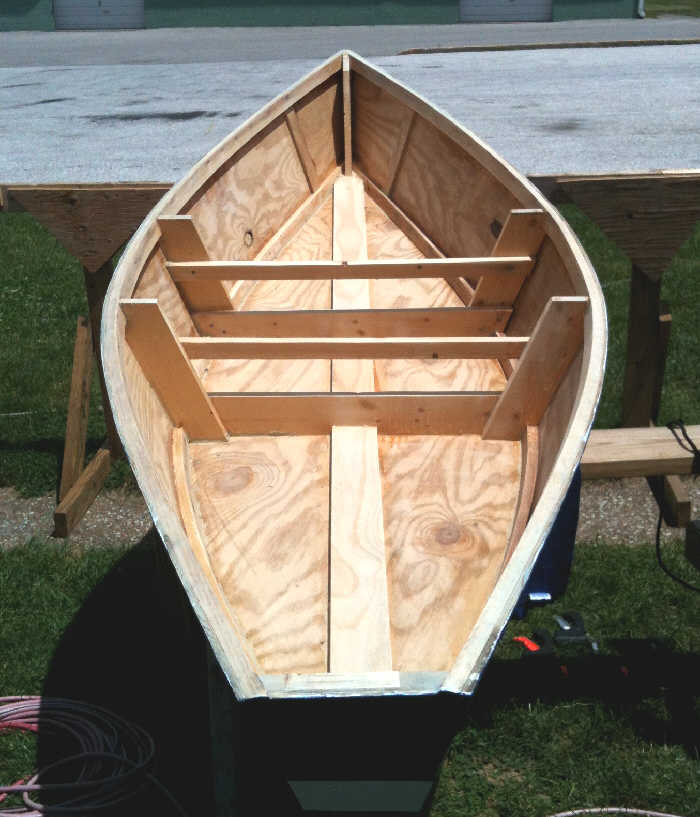
    4. Create and Attach the Seats and Thwarts

    If your plans include seats or thwarts (cross-braces), install them securely using screws or marine-grade epoxy. Make sure these components are sturdy and comfortable for your intended use.

    5. Add Finishing Touches

    This includes sanding the entire hull smooth, applying a few coats of marine varnish or paint, and installing any accessories like oarlocks, rowlocks, or cleats.

    6. Rigging (If applicable)

    If you're building a sailing dinghy, you'll need to rig the sails, mast, and other components according to the plans. This might involve assembling the mast, installing the rigging, and attaching the sails.

    Tips for Successful Dinghy Construction

    Here are some additional tips for creating a successful DIY dinghy:

    • Read the plans thoroughly before you begin. Understand each step and gather all necessary materials.
    • Take your time and work carefully. Boatbuilding is a meticulous process, so don't rush through the steps.
    • Measure twice, cut once. Accuracy is key in boatbuilding, so double-check your measurements before making any cuts.
    • Use quality materials that are designed for marine use. This will help ensure your dinghy is durable and watertight.
    • Don't be afraid to ask for help if you encounter a problem. There are many online resources and forums dedicated to boatbuilding, and experienced boatbuilders are often willing to offer advice.

    Commonly Asked Questions

    How much does it cost to build a dinghy?

    The cost of building a dinghy varies significantly depending on the size, materials, and complexity of the project. You can expect to spend anywhere from a few hundred dollars for a simple plywood dinghy to several thousand dollars for a larger wooden or fiberglass dinghy.

    How long does it take to build a dinghy?

    The construction time depends on the project's complexity, your skill level, and the amount of time you dedicate to it. A simple plywood dinghy could be built in a few weekends, while a more elaborate wooden or fiberglass dinghy could take months.

    What are the benefits of building your own dinghy?

    Building a dinghy offers several benefits:

    • Sense of accomplishment: It's incredibly rewarding to create something functional and beautiful with your own hands.
    • Cost-effective: Building your own dinghy can be significantly cheaper than buying a new one, especially if you use salvaged or recycled materials.
    • Customization: You have complete control over the design, materials, and features of your dinghy.
    • Learning experience: You'll gain valuable woodworking or boatbuilding skills that can be applied to other projects.

    If you're up for a challenge and want the satisfaction of crafting your own dinghy, then dive into the world of DIY boatbuilding! With the right plans, tools, and a little patience, you can build a sturdy and reliable boat that will bring years of joy on the water.