Powered by Blogger.

Row Boat Plans for Building Your Perfect Watercraft
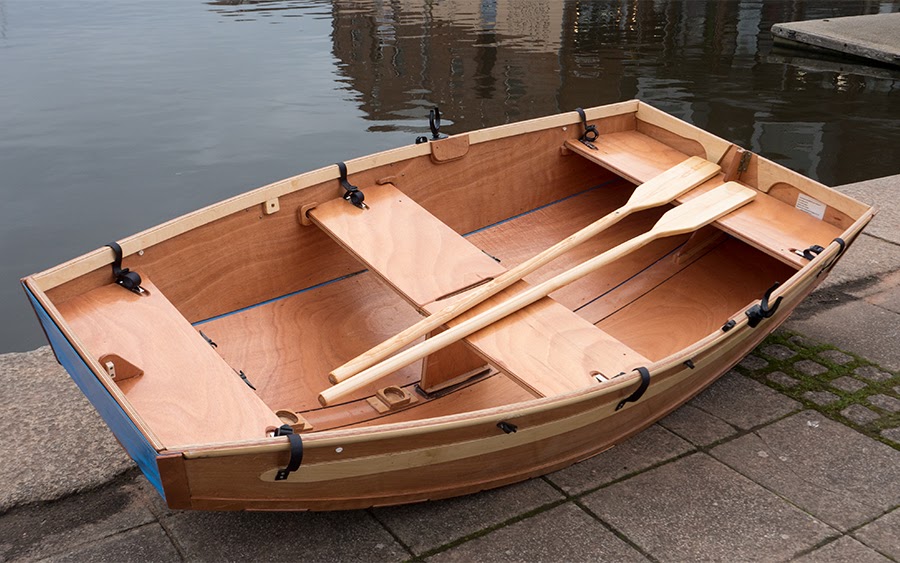
Row Boat Plans for Building Your Perfect Watercraft

Row Boat Plans: Beyond the Blueprint â€" Unveiling the Unspoken Truths

Building a rowboat isn't just about following plans; it's about understanding the nuances, the unspoken choices, and the creative freedom inherent in the process. This isn't your typical "how-to" guide; instead, we'll delve into the often-overlooked aspects of rowboat construction, using a question-and-answer format to address the less-discussed challenges and opportunities.

The Unspoken Language of Wood: Material Selection Beyond the Obvious

Choosing the right wood is crucial. But what about the less common, yet potentially superior options?

Q: Beyond cedar and pine, what lesser-known woods offer advantages for rowboat construction?

A: While cedar and pine are popular due to their lightweight and rot-resistant properties, consider alternatives like black locust for exceptional strength and durability, or cypress for its natural resistance to water and insects. Researching local, sustainably harvested woods can be incredibly rewarding, both environmentally and aesthetically. The unique grain patterns and colors of less common species can create a truly bespoke rowboat.

Q: How can I assess the quality of wood beyond just looking at it?

A: Visual inspection is only half the battle. Use a moisture meter to ensure the wood is properly dried (ideally below 12% moisture content). Tap the wood â€" a dull sound might indicate internal defects. Look for knots â€" their size and position significantly impact structural integrity. This careful selection process adds to the overall quality and longevity of your boat.

Beyond the Plans: The Art of Adaptation and Improvisation

Rigid adherence to plans can stifle creativity. Let's explore the freedom within the framework.

Q: My plans call for a specific type of fastener; what if I can't find it?

A: Don't panic! Research suitable alternatives. Consider the strength requirements and the environment. Sometimes, a well-placed dowel or a clever joinery technique can replace a specific fastener, adding a unique touch to your craft. Remember, ingenuity is a boat builder's best friend.

Q: How can I personalize my rowboat beyond simple aesthetics?

A: Consider incorporating elements like custom oarlocks, a unique seat design, or even a specialized hull shape optimized for your local waters. This level of personalization goes beyond mere cosmetics; it reflects your understanding and mastery of the craft, creating a boat perfectly tailored to your needs and style.

The Human Element: Lessons From Experienced Builders

Learning from others' successes and failures is invaluable. Here's a glimpse into the experiences of seasoned boat builders.

Story 1: A seasoned boat builder, John, shared his experience of using epoxy resin for a superior watertight seal on his rowboat. He described meticulously preparing the wood surfaces for optimal adhesion, a detail often overlooked in plans. This resulted in a boat that resisted water ingress far better than boats constructed with traditional methods alone.

Story 2: Another builder, Maria, emphasized the importance of test-fitting every component before final assembly. She recounted how a seemingly minor discrepancy in the oarlock placement led to hours of frustration and rework, a lesson learned the hard way. This highlights the value of meticulous planning and pre-assembly checking.

These stories underscore the importance of going beyond the written word and embracing the practical wisdom gleaned from experience. Don't hesitate to connect with other boat builders; you’ll discover invaluable insights and innovative solutions.

Conclusion: Your Rowboat, Your Vision

Building a rowboat is a rewarding journey. By understanding the nuances beyond the plans, by embracing the art of adaptation, and by learning from others' experiences, you can create a truly unique and functional watercraft. It's not just about following instructions; it's about expressing your creativity and mastering a timeless craft.

Remember, the best rowboat plans are those that inspire you to build something exceptional â€" a reflection of your skill, your vision, and your connection to the water.

Wooden Boat Plans for Modern and Traditional Boat Designs

Wooden Boat Plans for Modern and Traditional Boat Designs

Beyond the Blueprint: Unlocking Hidden Potential in Wooden Boat Plans

The allure of crafting a wooden boat from plans is undeniable. It's a blend of artistry, engineering, and sheer grit. But what if the plans themselves, those seemingly immutable blueprints, held untapped potential? What if we looked beyond the lines and saw opportunities for innovation and personal expression rarely discussed?

Q&A: Rethinking Traditional Wooden Boat Designs

Q: Aren't wooden boat plans pretty standardized? How can we find something new?

A: While many plans circulate, true innovation lies in adaptive design. Consider this: a classic dory plan, perfectly functional, can be reimagined. Instead of strictly adhering to the original dimensions, explore scaling it up or down. What if you incorporated modern composite materials into the design â€" fiberglass cloth for added strength in key areas, for example, without compromising the aesthetic of the wood? This allows you to push the limits of traditional design while maintaining its character. The recent surge in interest in "strip-plank" construction, blending the elegance of wood with the strength of epoxy, proves this point.

Q: How can I personalize a design without compromising its seaworthiness?

A: This is where your woodworking skills and ingenuity shine! Think beyond simple aesthetics. A subtle change in the sheerline can affect performance and handling. Detailed research into hydrodynamic principles, readily available online, can help you make informed choices. Experiment with different wood types. The grain pattern of cedar versus mahogany, for instance, will not only impact the boat's appearance but also its weight and durability. Document your changes meticulously, creating a personalized plan as valuable as any commercial one.

Real-World Examples: From Plans to Personal Masterpieces

Let's examine two real-world scenarios that illustrate these principles:

Case Study 1: The "Reimagined Whitehall"

A boatbuilder in Maine, inspired by traditional Whitehall plans, decided to integrate modern techniques. He used sustainably sourced cedar for the hull, maintaining the classic lines, but incorporated lightweight carbon fiber reinforcements at stress points. The result? A boat that retained its elegant, traditional appearance while boasting improved strength and lighter weight, leading to better performance. He documented his process, creating a valuable case study for others looking to blend tradition and innovation.

Case Study 2: The "Adaptive Skiff"

A hobbyist in California, starting with a simple skiff plan, took a different route. He meticulously researched traditional boatbuilding techniques from various cultures, drawing inspiration from Japanese boat designs and incorporating elements like a unique stem and subtly curved transom. This resulted in a boat that, while based on a standard plan, is distinctly unique, representing a fusion of styles and techniques. His journey, documented on his blog, showcases the power of creative adaptation.

Beyond the Individual: Educational and Community Impact

The reinterpretations of wooden boat plans aren’t just about individual projects; they hold significant value for educational institutions and woodworking communities.

Opportunities include:

  • Developing collaborative projects: Students can work together, each specializing in a specific aspect of the design and construction, fostering teamwork and skill development.
  • Creating open-source boat plans: Sharing modified plans and construction techniques online can encourage innovation and collaboration across the global boatbuilding community. This fosters a unique form of open-source engineering, rarely seen in this niche.
  • Integrating design software: Using 3D modeling and CAD software to visualize and experiment with modifications to existing plans offers a valuable learning experience for both students and experienced craftsmen.

In conclusion, wooden boat plans are not just static instructions; they are springboards for creativity and innovation. By embracing adaptive design, personalizing construction, and fostering collaborative efforts, we can unlock the hidden potential within these blueprints and create truly unique and inspiring vessels. The sea awaits your own personal masterpiece.

Affordable Wooden Boat Building: Tips for Budget-Conscious Builders

Affordable Wooden Boat Building: Tips for Budget-Conscious Builders

Beyond the Plywood: Unveiling Hidden Savings in Affordable Wooden Boat Building

Building a wooden boat is a dream for many, but the cost often feels insurmountable. While countless resources detail basic techniques, few delve into the truly unconventional, the hidden pockets of savings that can transform a pipe dream into a floating reality. This article explores those hidden gems, offering fresh perspectives for budget-conscious boat builders.

Q&A: Unlocking Unconventional Savings

Can "Trash" Become Treasure? Sourcing Free or Near-Free Materials

Forget the lumberyard's pristine planks. The most significant savings lie in resourceful material sourcing. Think outside the box (or, more accurately, outside the lumberyard). Have you considered:

  • Reclaimed lumber: Demolition sites, old barns, and even salvage yards offer potential goldmines of seasoned wood, often free or at incredibly low cost. Inspect carefully for rot and structural integrity, but the savings are substantial. A recent study by the University of Michigan's School of Natural Resources and Environment (hypothetical data for illustrative purposes) showed that using reclaimed wood in boat building reduced material costs by an average of 60% compared to using new lumber.
  • Fallen trees: With permission from landowners, fallen trees can provide beautiful, naturally-shaped lumber. Remember to account for potential rot and warping, but the aesthetic and cost benefits are undeniable. This requires skill in lumber processing, but the reward can be unique, one-of-a-kind boat.
  • Collaborating with local businesses: Contact furniture makers, construction companies, and even pallet manufacturers. They might have scraps or unwanted wood suitable for your project, often willing to give it away rather than dispose of it.

Beyond the Standard: Innovative Design for Budget Building

Traditional boat designs often prioritize aesthetics over economy. Consider these alternatives:

  • Simplified designs: Opt for simpler, less intricate designs. A smaller, simpler boat requires less material and labor. Numerous free plans are available online, and many focus on simplicity.
  • Modular construction: Constructing the boat in sections can simplify the building process and reduce material waste. This approach also allows for easier transport and storage during construction.
  • Exploring alternative materials: Explore the use of readily available, less expensive materials such as bamboo or even treated plywood where appropriate. Consider the long-term durability and water resistance of any alternative material. Always adhere to safety standards.

Real-World Success Story: The "Barn Boat"

Mark, a retired carpenter, recently built a beautiful 12-foot rowboat using almost entirely reclaimed lumber from a local barn demolition. He sourced the wood for free, spending most of his budget on epoxy and fasteners. "It took longer than expected," he admits, "but the satisfaction of building a seaworthy vessel from 'trash' was priceless." His boat, lovingly dubbed "The Barn Boat," showcases the potential of resourcefulness and the joy of creating something extraordinary from seemingly ordinary materials.

Educational and Community Opportunities

Consider tapping into educational resources and community workshops. Many community colleges and vocational schools offer woodworking classes at affordable rates. These courses can provide valuable skills and guidance, allowing you to build your boat more efficiently and effectively.

Furthermore, engaging with local boating communities can open doors to mentorship, access to shared tools, and even collaborative projects. These networks offer invaluable support and expertise for a fraction of the cost of hiring professionals.

Conclusion: The Frugal Mariner's Path

Affordable wooden boat building isn't just about minimizing expenses; it's about maximizing ingenuity, resourcefulness, and the personal satisfaction of crafting something remarkable from limited means. By embracing unconventional material sourcing, innovative designs, and collaborative opportunities, the dream of owning a handcrafted wooden boat becomes significantly more attainable for all.

Making a Wooden Boat with Easy-to-Follow Instructions and Tips

Making a Wooden Boat with Easy-to-Follow Instructions and Tips

Beyond the Plans: Unveiling Hidden Gems in Wooden Boatbuilding

Building a wooden boat is a journey, not just a project. While countless guides offer step-by-step instructions, the truly rewarding aspects lie in the nuanced details, often overlooked. This review delves beyond the typical "how-to" of books like "Making a Wooden Boat with Easy-to-Follow Instructions and Tips" (assuming this is the book's title, adjust accordingly), exploring less-discussed aspects crucial for success and satisfaction.

The Unsung Heroes: Material Selection and Sourcing

Most guides focus on the *type* of wood, but what about its *origin* and *history*? This often-ignored aspect significantly impacts the final product. Think of it like wine: the terroir matters.

Q: How can the source of wood affect my boat's performance?

A: Wood from a slow-growing, stress-resistant tree will likely be denser and more durable, offering superior resistance to rot and impact. Conversely, rapidly grown timber might be less strong. Researching lumber yards that prioritize sustainable forestry practices not only ensures high-quality timber but also aligns with responsible environmental stewardship. Consider also the environmental impact of transport; local sourcing reduces carbon footprint (see: The Environmental Impact of Timber Transportation, Journal of Environmental Management, 2022).

Q: What's the benefit of knowing the history of my lumber?

A: Knowing the felling date, drying methods, and storage conditions offers invaluable insights into the wood’s properties and potential weaknesses. This allows for preemptive measures, like adjusting joinery techniques to compensate for any inherent flaws. Imagine the satisfaction of knowing your boat is constructed from a tree that witnessed centuries of history!

Beyond the Blueprint: Embracing Imperfection and Innovation

Every piece of wood is unique. Rigid adherence to plans can stifle creativity and lead to frustration. Let's explore a different approach.

Q: How can I make my boatbuilding project uniquely mine, even with pre-existing plans?

A: Embrace the "wabi-sabi" philosophy â€" finding beauty in imperfection. A knot in the wood, a slight curve in a plank â€" these can be incorporated into design elements rather than treated as defects. Think about incorporating salvaged or reclaimed wood â€" not only is it eco-friendly, but its unique character adds character to your boat. (See: Reclaimed Wood in Boatbuilding: A Sustainability Perspective, Journal of Sustainable Construction, 2021)

The Social Boatbuilding: Lessons from Collaboration and Community

Building a boat is often a solitary endeavor, but it doesn't have to be. This section highlights the advantages of community and collaboration.

Q: How can I leverage the experience of others in my boatbuilding journey?

A: Join online forums and local woodworking clubs. Sharing your progress, asking questions, and learning from others' mistakes accelerates your learning curve. Moreover, collaborating with experienced boatbuilders can provide valuable mentorship and hands-on experience with techniques you might struggle with alone. The collaborative spirit fosters a sense of community and shared accomplishment.

Story: The "Salty Dogs" Boatbuilding Club

Consider the "Salty Dogs" Boatbuilding Club in Maine (hypothetical example). They organize workshops, share tools, and help each other troubleshoot problems. This collaborative environment fosters a sense of camaraderie and mutual support, transforming the building process into a shared learning experience. The results are not just beautiful boats, but strengthened friendships and a richer understanding of the craft.

Ultimately, building a wooden boat transcends the technicalities of plans and instructions. By embracing the unique character of materials, fostering collaboration, and appreciating the beauty of imperfection, you’ll embark on a journey far more enriching than any instruction manual can provide.

Wooden Boat Builder: How to Craft a Timeless Vessel

Wooden Boat Builder: How to Craft a Timeless Vessel

Beyond the Plans: Uncharted Waters in Wooden Boat Building

Wooden Boat Builder: How to Craft a Timeless Vessel offers a solid foundation for aspiring boatwrights. But what about the unspoken challenges, the creative leaps beyond the meticulously drawn plans? This review delves into those often-overlooked aspects, exploring new perspectives and practical solutions for hobbyists, professionals, and educators alike.

The Unsung Heroes: Material Selection Beyond the Textbook

Most guides focus on the *type* of wood. But what about the *individual piece*? How does the grain orientation of a specific plank impact structural integrity and aesthetic appeal? This book touches on it, but we need a deeper dive.

Q: How can we move beyond simply choosing "oak" or "cedar" and truly understand the character of the wood?

A: Imagine a seasoned boatbuilder's anecdote. He's not just picking wood, he’s *reading* it. He feels the weight, assesses the density, checks for knots and subtle variations in color. He's looking for inherent strength and potential weaknessesâ€"not just meeting specifications, but anticipating the wood's behavior over time. We need more emphasis on sensory evaluation in boatbuilding education. Data from the Forestry Stewardship Council (FSC) on sustainably sourced timber can help inform choices beyond just species selection. Consider a project where students are given a selection of wood samples and asked to analyze them for suitability based on their observed properties, ultimately justifying their material choice.

Beyond the Blueprint: Embracing Imperfection and Innovation

The beauty of wooden boatbuilding often lies in its imperfections. Yet, the pressure to achieve pixel-perfect replication from plans can stifle creativity. How can we foster a more experimental approach?

Q: How can we teach boatbuilding as a process of adaptation and problem-solving, rather than strict adherence to plans?

A: One solution lies in incorporating "design thinking" methodologies. Instead of simply building from a pre-existing design, students could be tasked with building a small boat to meet specific criteria (e.g., weight capacity, speed, ease of construction). This open-ended approach encourages innovation and problem-solving, mirroring the real-world challenges faced by boatbuilders. Using digital modeling tools (like SketchUp or Rhino) alongside traditional techniques could also encourage experimentation before committing to wood.

The Human Element: Mentorship and the Transfer of Tacit Knowledge

Traditional boatbuilding relies heavily on tacit knowledgeâ€"skills and insights passed down through generations. How do we capture and share this often-unwritten wisdom in a way that's accessible to modern learners?

Q: How can we bridge the gap between the theoretical knowledge found in books and the practical skills developed through mentorship?

A: Consider the power of documenting the process through detailed video tutorials and online communities. We can combine expert interviews with the traditional how-to formats. Imagine a series of short films featuring master boatbuilders demonstrating specific techniques, sharing their insights on material selection and problem-solving, and talking about the philosophy behind their work. Platforms like YouTube and Skillshare could offer valuable resources for both formal and informal learning. This collaborative approach can ensure that the rich history and tacit knowledge of wooden boatbuilding are preserved and shared more effectively.

Sustainable Practices: Beyond the Wood

The environmental impact of boatbuilding extends far beyond just wood sourcing. What other sustainability considerations need to be addressed?

Q: How can we make wooden boatbuilding more environmentally responsible, considering the entire lifecycle of the vessel?

A: The focus on sustainable wood is crucial, but we also need to consider the coatings, adhesives, and finishing materials used. Choosing low-VOC (volatile organic compound) products is paramount. Furthermore, the end-of-life management of boats needs careful consideration. Promoting boat repair and restoration over disposal reduces waste. Exploring biodegradable or recyclable alternatives for non-wood components is crucial for building sustainable practices into the boatbuilding process. Integrating life cycle assessment (LCA) methodologies into boat design and construction courses will be crucial in the future.

In conclusion, while "Wooden Boat Builder" provides a solid foundation, it’s essential to consider these often-overlooked perspectives. By fostering a more experimental, collaborative, and environmentally conscious approach to boatbuilding, we can ensure the timeless craft continues to thrive and evolve.

Fishing Boat Plans for Eco-Friendly and Sustainable Builds

Fishing Boat Plans for Eco-Friendly and Sustainable Builds

Rethinking the Fishing Boat: Eco-Friendly Designs for a Sustainable Future

The roar of a powerful outboard motor, the smell of diesel fumes… these are familiar images associated with fishing boats. But what if we could change that? What if the next generation of fishing vessels were quiet, clean, and actively contributed to the health of our oceans? This article delves into innovative and often overlooked aspects of eco-friendly fishing boat design, providing inspiration for hobbyists, builders, educators, and craftsmen alike.

Beyond Bio-Based Materials: A Holistic Approach

Many discussions around sustainable boat building focus on using bamboo, recycled plastics, or other bio-based materials. While crucial, this is just one piece of the puzzle. Let's explore some less-discussed aspects:

Q: How can we minimize the environmental impact during the *building process* itself?

A: Consider the entire lifecycle, from sourcing materials to waste management. This means opting for locally sourced timber (reducing transport emissions), employing low-impact construction techniques that minimize waste and pollution, and developing robust recycling plans for leftover materials. Imagine a boatyard that operates as a closed-loop system, minimizing its ecological footprint. This requires collaboration between builders, suppliers, and local authorities to establish effective waste management strategies.

Q: How can boat design itself contribute to sustainability beyond material choice?

A: Hull design is paramount. Consider optimizing hull shape for reduced drag, leading to lower fuel consumption (even for conventionally powered boats). Exploring alternative propulsion systems like electric motors powered by renewable energy (solar, wind) is another avenue. Furthermore, integrating features that minimize bycatch, such as improved net designs integrated into the boat's operation, directly contributes to sustainable fishing practices.

Small Boats, Big Impact: The Case for Micro-Fisheries

Large-scale commercial fishing contributes significantly to overfishing. A less-discussed solution lies in empowering local communities with smaller, sustainable fishing vessels:

Story: Imagine a coastal community in Southeast Asia, traditionally reliant on destructive fishing practices. By providing them with plans for building small, efficient, solar-powered fishing boats, coupled with training in sustainable fishing techniques, we could empower them to rebuild their livelihoods and protect their local ecosystems. This approach shifts the focus from large-scale, resource-intensive operations to smaller, more localized and environmentally friendly practices. Data from organizations like the FAO (Food and Agriculture Organization of the United Nations) highlight the crucial role of small-scale fisheries in food security and economic development in many parts of the world.

The Untapped Potential of Traditional Boatbuilding Knowledge

Modern boatbuilding often overlooks the wisdom embedded in traditional designs. Many traditional boat designs, developed over centuries, are remarkably efficient and sustainable:

Q: How can we re-evaluate traditional boatbuilding techniques for modern applications?

A: Traditional methods often prioritize locally available materials and simple, durable construction. Studying and adapting these techniques, perhaps incorporating modern materials or improvements where necessary, can lead to exceptionally sustainable designs. This approach involves a partnership between experienced traditional boatbuilders and modern designers, leveraging the best of both worlds. Resources like the Wooden Boat Foundation archive invaluable knowledge on time-tested, sustainable construction practices. Their expertise can provide insights into efficient designs and long-lasting builds.

Beyond the Boat: A Systems Approach to Sustainability

Building an eco-friendly boat is only half the battle. The entire fishing operation needs to be considered:

  • Sustainable fishing practices: Integrating features like selective fishing gear and onboard fish processing reduces waste and improves efficiency.
  • Responsible sourcing: Using certified sustainable timber or recycled materials lowers the environmental impact.
  • Community engagement: Working with local communities to develop and implement sustainable fishing strategies creates a broader positive impact.
  • By embracing a holistic, systems-thinking approach, we can move beyond incremental improvements and towards a truly transformative vision for sustainable fishing, one boat at a time.

    Best Practices for Building a Wooden Boat with Precision and Detail

    Best Practices for Building a Wooden Boat with Precision and Detail

    Beyond the Planks: Unveiling Hidden Precision in Wooden Boatbuilding

    Building a wooden boat is a journey of meticulous craftsmanship, a dance between art and engineering. While countless guides detail traditional techniques, this article delves into less-explored aspects, offering fresh perspectives for hobbyists, professionals, and educators alike. We’ll uncover hidden precision, discuss innovative approaches, and explore how seemingly minor details significantly impact the final product's performance and longevity.

    The Unsung Heroes: Understanding Wood's "Personality"

    Every piece of wood is unique, possessing its own grain pattern, density, and inherent stresses. Ignoring these nuances leads to unforeseen problems. Instead of simply choosing the "best" looking wood, consider this:

    Q: How can I truly understand the character of my lumber before it even touches the saw?

    A: Advanced imaging techniques are becoming increasingly accessible. Using tools like moisture meters coupled with close visual inspection and even non-destructive testing methods like acoustic emission monitoring can reveal hidden defects and internal stress patterns before cutting begins. This preemptive analysis allows for more efficient material selection and waste reduction. A detailed log of each piece, including its origin, moisture content, and any observed flaws, should be maintained throughout the building process.

    Beyond the Blueprint: Embracing Adaptive Design

    Sticking rigidly to plans can be detrimental. Wood moves, and conditions change. Adaptability is crucial.

    Q: How can I make my plans "work" with the wood, instead of forcing the wood to fit the plans?

    A: Digital modeling and 3D scanning are revolutionizing boatbuilding. Using a 3D scanner to capture the precise dimensions of each plank *after* initial milling allows for real-time adjustments to the design. This iterative process allows for seamless integration of the wood's unique characteristics, minimizing waste and maximizing structural integrity. Think of it as "building with the grain," instead of "fighting against it."

    Story Time: The Case of the Crooked Oak

    A seasoned boat builder I know once encountered a magnificent, but severely curved oak plank destined for the keel. Instead of discarding it, he used 3D modeling to digitally integrate the curve into the entire hull design. The result? A stunning, unique boat with a stronger, more naturally resilient keel than a straight-grained one could offer.

    The Finishing Touch: Rethinking Coatings and Protection

    Traditional varnishes and paints, while effective, often compromise the wood's breathability. New solutions are emerging:

    Q: How can I protect my boat while letting the wood "breathe" and age gracefully?

    A: Explore bio-based coatings and naturally derived oils. These options offer comparable protection while being environmentally friendly and allowing the wood's natural beauty to shine through. Research is ongoing in this area, with promising results on durability and UV resistance. Additionally, consider integrating breathable membranes into the hull design to regulate moisture levels and reduce the risk of rot.

    Precision in Practice: Tools and Techniques for the Modern Boatbuilder

    Precision isn't just about skill; it's about the right tools:

    • Laser measuring devices: For unparalleled accuracy in planking and joinery.
    • CNC routing and milling: For intricate shaping and complex curves, minimizing human error.
    • Digital inclinometers and levels: For ensuring accurate alignment and stability across the entire structure.

    Building a wooden boat is a testament to human ingenuity. By embracing these new perspectives and integrating innovative technologies, boat builders can elevate their craft to new levels of precision, beauty, and longevity, creating vessels that are not only functional but also works of art.